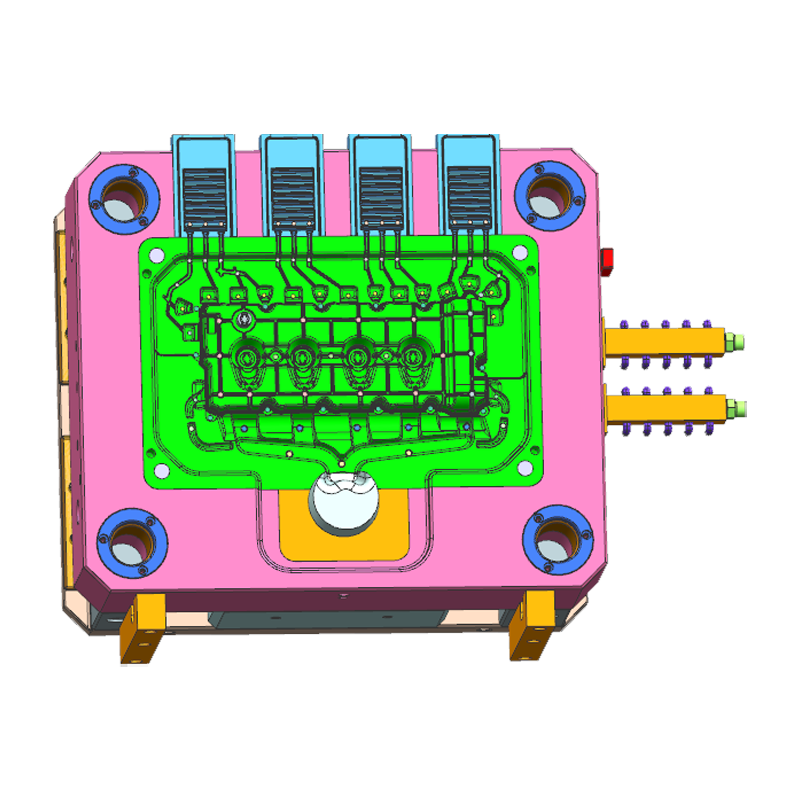
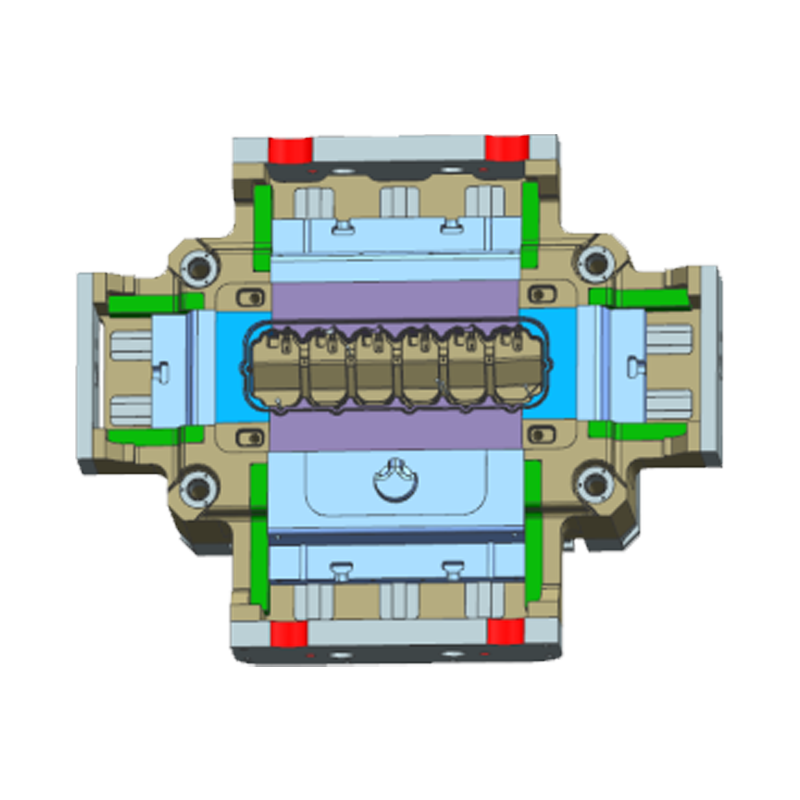
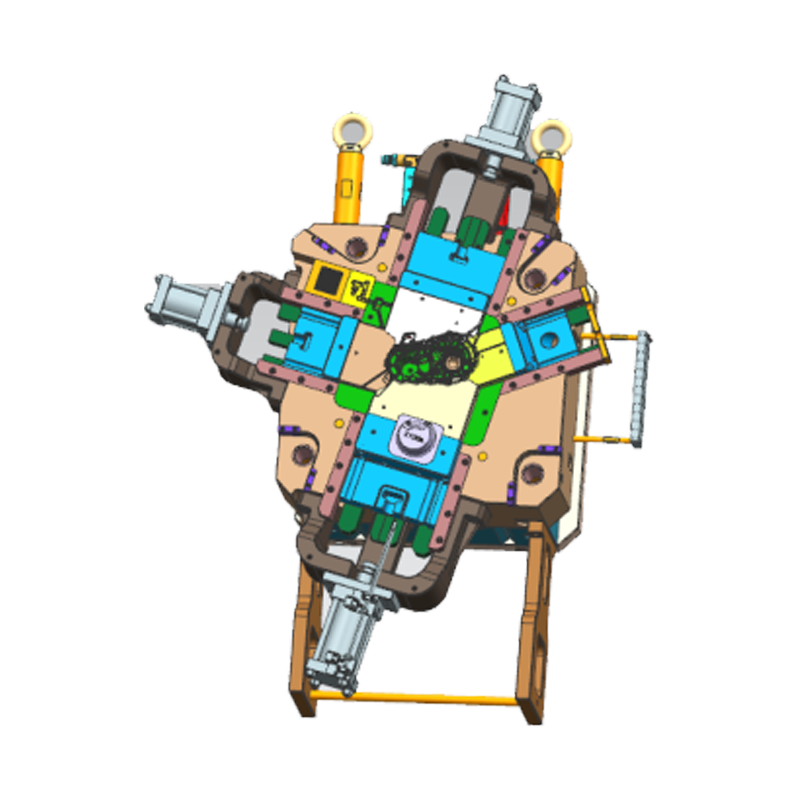
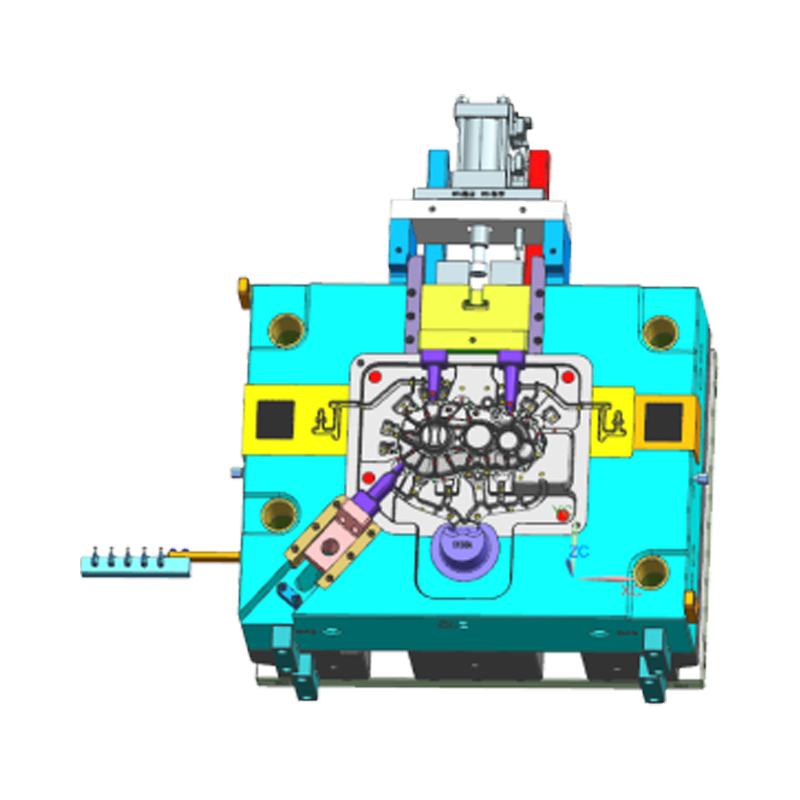
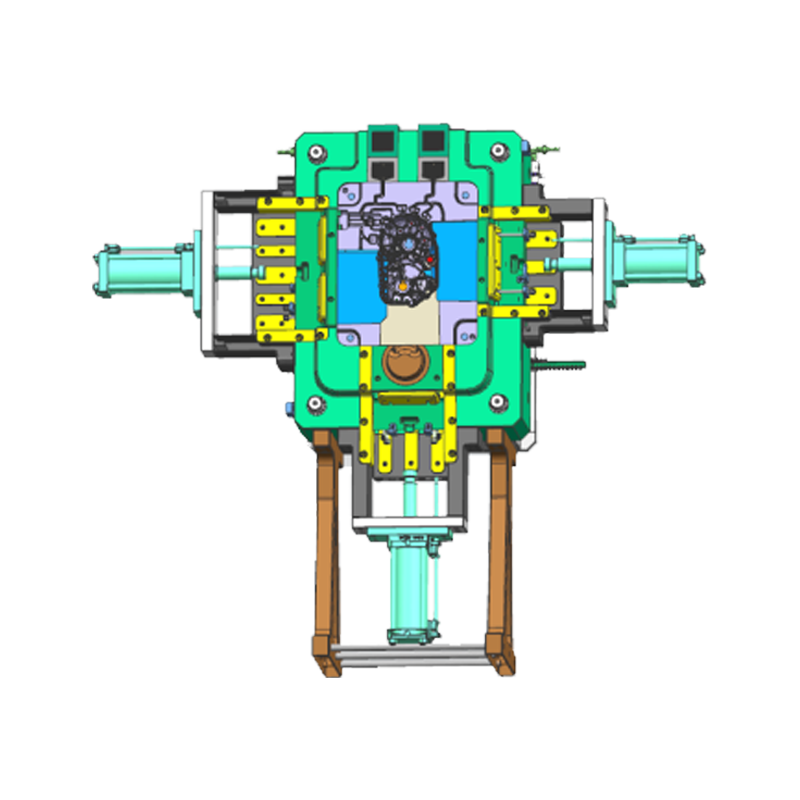
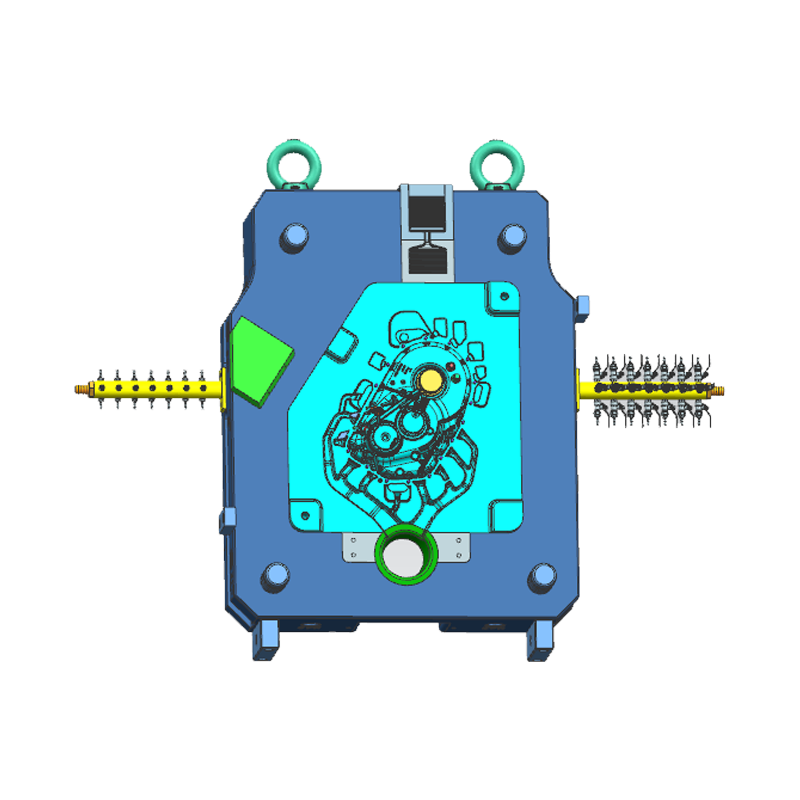
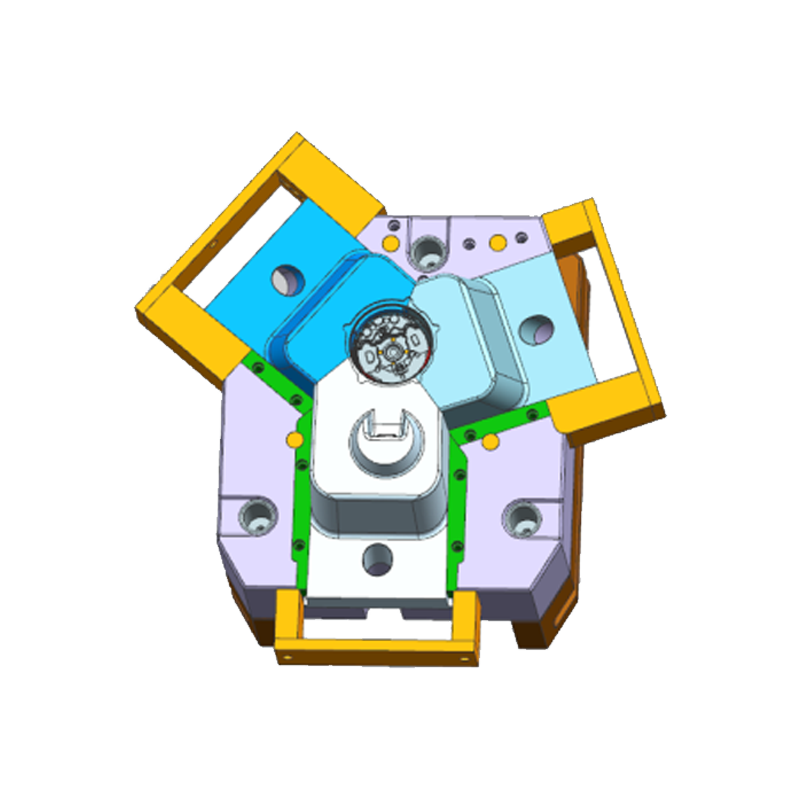
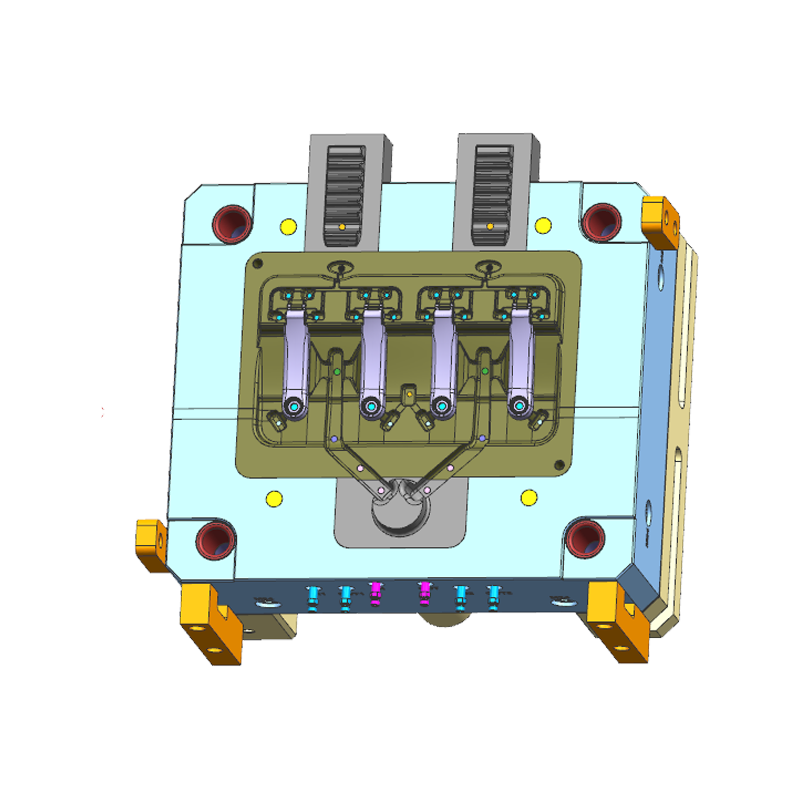
Đối với sản xuất nhôm khối lượng lớn đòi hỏi dung sai chặt chẽ và thành mỏng, đúc khuôn là lựa chọn ưu việt. Đối với khối lượng thấp hơn, các bộ phận có thành dày hơn hoặc hợp kim không phù hợp để đúc khuôn, việc đúc khuôn cố định mang lại tính kinh tế và tính linh hoạt tốt hơn. Hiểu được điểm mạnh của từng quy trình—và điểm yếu của quy trình—có thể giúp nhà sản xuất tiết kiệm đáng kể khoản đầu tư vào công cụ và chi phí cho mỗi bộ phận.
Cả đúc khuôn và đúc khuôn vĩnh viễn đều sử dụng khuôn kim loại có thể tái sử dụng thay vì khuôn cát có thể sử dụng được, điều này ngay lập tức khiến chúng khác biệt với đúc cát về độ đồng nhất về kích thước và độ hoàn thiện bề mặt. Tuy nhiên, chúng khác nhau đáng kể về áp suất phun, tốc độ chu kỳ, chi phí dụng cụ và loại bộ phận mà chúng xử lý tốt nhất.
Mỗi quy trình thực sự hoạt động như thế nào
Đúc khuôn: Phun áp suất cao
Trong khuôn đúc nhôm, nhôm nóng chảy được phun vào khuôn thép (khuôn) ở áp suất thường dao động từ 1.500 đến 25.000 psi . Áp suất cực lớn này ép kim loại vào từng chi tiết khoang trước khi nó đông cứng lại. Thời gian chu kỳ có thể nhanh như 15 đến 60 giây cho hầu hết các bộ phận ô tô và tiêu dùng, khiến nó trở thành một trong những quy trình tạo hình kim loại nhanh nhất hiện có.
Có hai biến thể: đúc khuôn buồng nóng (đối với hợp kim có độ nóng chảy thấp hơn) và đúc khuôn buồng lạnh. Nhôm, với điểm nóng chảy cao hơn (~660°C), luôn sử dụng máy buồng lạnh , nơi kim loại nóng chảy được múc riêng vào buồng phun.
Đúc khuôn vĩnh viễn: Đổ đầy trọng lực hoặc áp suất thấp
Đúc khuôn cố định (còn gọi là đúc khuôn trọng lực ở một số thị trường) đổ đầy các khuôn thép hoặc sắt có thể tái sử dụng bằng trọng lực hoặc áp suất thấp—thường dưới 15 psi . Nếu không có áp lực cực lớn của việc đúc khuôn, thời gian chu kỳ thường chậm hơn 1 đến 5 phút mỗi chu kỳ. Tuy nhiên, việc lấp đầy nhẹ nhàng hơn sẽ làm giảm nhiễu loạn, thường tạo ra các bộ phận có tính toàn vẹn bên trong tốt hơn và ít vấn đề về độ xốp của khí hơn.
Song song: Đúc khuôn và Đúc khuôn cố định
| tham số | Đúc nhôm | Đúc khuôn vĩnh viễn |
| Áp suất phun | 1.500–25.000 psi | Trọng lực tới ~15 psi |
| Thời gian chu kỳ điển hình | 15–60 giây | 1–5 phút |
| Độ dày tường tối thiểu | 0,5–1,5 mm | 3–5 mm |
| Dung sai kích thước | ±0,1–0,3 mm | ±0,3–0,8 mm |
| Bề mặt hoàn thiện (Ra) | 0,8–3,2 µm | 2,5–6,3 µm |
| Chi phí dụng cụ | $10,000–$100,000 | $2,000–$25,000 |
| Cuộc sống khuôn mẫu (ảnh) | 100.000–1.000.000 | 10.000–150.000 |
| Khối lượng tiết kiệm | 10.000 bộ phận/năm | 500–10.000 bộ phận/năm |
| Phạm vi trọng lượng một phần | Gam đến ~25 kg | Gam đến ~150 kg |
| Mức độ xốp | Cao hơn (rủi ro kẹt khí) | Thấp hơn (làm đầy mượt mà hơn) |
| Khả năng xử lý nhiệt | Hạn chế (phồng rộp xốp) | Nói chung là có |
Bảng 1: Các thông số quy trình chính so sánh đúc nhôm và đúc khuôn vĩnh viễn
Khuôn đúc nhôm: Những cân nhắc về kết cấu và vật liệu
Khuôn đúc nhôm hầu như được làm từ Thép công cụ gia công nóng H13 , một hợp kim crom-molypden có khả năng chịu được chu trình nhiệt lặp đi lặp lại khi bơm nhôm nóng chảy ở nhiệt độ ~680°C vào khuôn có thể được duy trì ở nhiệt độ 150–250°C. Thiết kế khuôn rất phức tạp, thường bao gồm:
- A một nửa cố định (khuôn che) gắn vào trục lăn cố định và một nửa chuyển động (khuôn đẩy) trên tấm chuyển động
- Hệ thống đường chạy và cổng kiểm soát tốc độ và hướng dòng chảy kim loại để giảm thiểu nhiễu loạn
- Giếng tràn và lỗ thông hơi để cho phép không khí bị mắc kẹt và oxit thoát ra ngoài
- Kênh làm mát được gia công thành cả hai nửa để quản lý thời gian chu kỳ và quá trình hóa rắn từng phần
- Chân đẩy đẩy phần đông đặc ra ngoài mà không bị biến dạng
- Cầu trượt và máy nâng dành cho những kiểu tóc undercut không thể bung ra bằng cách kéo thẳng đơn giản
Một khuôn đúc ô tô phức tạp với nhiều thanh trượt có thể có giá 80.000 USD đến 200.000 USD hoặc hơn thế nữa. Thời gian thực hiện từ khi thiết kế đến lần chụp đầu tiên thường kéo dài 8 đến 16 tuần . Đây chính xác là lý do tại sao việc đúc khuôn chỉ có ý nghĩa kinh tế trên ngưỡng sản xuất nhất định.
Cuộc sống và bảo trì chết
Khuôn thép H13 chất lượng cao để đúc nhôm có thể đạt được 500.000 đến hơn 1.000.000 bức ảnh với việc bảo trì thích hợp. Các vết nứt mỏi do nhiệt (được gọi là "kiểm tra nhiệt") là dạng hư hỏng chính. Khoảng thời gian bảo trì theo kế hoạch—thường là 50.000 đến 100.000 lần chụp—bao gồm đánh bóng, hàn sửa chữa những vùng bị mòn và phủ lại bằng phương pháp xử lý PVD hoặc thấm nitơ để kéo dài tuổi thọ.
Dụng cụ khuôn vĩnh viễn: Đơn giản hơn nhưng không đơn giản
Dụng cụ khuôn cố định được gia công từ gang xám hoặc thép, với sắt xám phổ biến cho các ứng dụng có khối lượng thấp hơn vì nó rẻ hơn khi gia công và có độ dẫn nhiệt hợp lý. Lớp phủ khuôn (chất rửa chịu lửa được áp dụng trước mỗi lần đổ) là rất cần thiết - chúng đóng vai trò như một rào cản nhiệt, ngăn nhôm hàn vào khuôn và giúp kiểm soát tốc độ hóa rắn.
Bởi vì áp suất lấp đầy thấp nên khuôn cố định không yêu cầu độ bền kết cấu tương tự như khuôn đúc khuôn. A khuôn cố định hai tấm đơn giản có thể có giá từ 3.000 đến 8.000 USD , trong khi một công cụ phức tạp có lõi và các hoạt động phụ có thể lên tới 20.000–25.000 USD—vẫn thấp hơn đáng kể so với một công cụ đúc khuôn tương đương.
Tuổi thọ khuôn ngắn hơn: 15.000 đến 80.000 chu kỳ là điển hình cho việc đổ nhôm vào khuôn gang, với khuôn thép có tuổi thọ lâu hơn một chút. Điều này hạn chế lợi thế kinh tế của việc đúc khuôn vĩnh viễn ở khối lượng rất cao.
Lựa chọn hợp kim: Một điểm khác biệt quan trọng
Không phải tất cả các hợp kim nhôm đều tương thích với khuôn đúc. Tốc độ phun cao và quá trình đông đặc nhanh giúp tạo ra các hợp kim có tính lưu động tốt và độ co ngót khi đông đặc thấp. Các hợp kim đúc nhôm được sử dụng phổ biến nhất bao gồm:
- A380 – Hợp kim ngựa kéo; tính lưu loát tuyệt vời, sức mạnh tốt, có sẵn rộng rãi
- A383 – Khả năng chống nứt nóng tốt hơn A380; thích hợp cho hình học khuôn phức tạp
- A360 – Khả năng chống ăn mòn cao hơn, độ dẻo tốt hơn, khó đúc hơn một chút
- ADC12 (tiêu chuẩn Nhật Bản) – Tương tự như A383; được sử dụng rộng rãi trong chuỗi cung ứng ô tô châu Á
Ngược lại, việc đúc khuôn vĩnh viễn có thể chứa được một phạm vi rộng hơn của hợp kim bao gồm các hợp kim dòng 3xx.x có thể xử lý nhiệt như A356 và A357. Các hợp kim này có thể trải qua quá trình xử lý nhiệt T6 (dung dịch xử lý nhiệt lão hóa nhân tạo) để đạt được độ bền kéo của 260–310 MPa với độ giãn dài từ 6–12%—các đặc tính cơ học mà vật đúc thường không thể sánh được vì độ xốp gây phồng rộp trong quá trình xử lý nhiệt.
Tính chất cơ học: Nơi khuôn vĩnh viễn có cạnh
Đây là một trong những khác biệt thực tế quan trọng nhất giữa hai quy trình. Bởi vì vật đúc khuôn có chứa khí trong quá trình phun tốc độ cao nên độ xốp là đặc trưng của quá trình này. Các biến thể đúc khuôn và đúc ép có hỗ trợ chân không làm giảm—nhưng hiếm khi loại bỏ—độ xốp này. Kết quả:
| Tài sản | Die Cast A380 (F tính khí) | Perm. Khuôn A356-T6 |
| Độ bền kéo tối đa | ~324 MPa | ~262 MPa |
| Sức mạnh năng suất | ~160 MPa | ~207 MPa |
| Độ giãn dài khi đứt | 3,5% | 5–12% |
| Có thể xử lý nhiệt? | Không (tiêu chuẩn) | Có (có thể T6) |
| Độ kín áp suất | Yêu cầu ngâm tẩm | Nói chung là tốt hơn |
Bảng 2: So sánh tính chất cơ học giữa hợp kim nhôm đúc thông thường và hợp kim nhôm khuôn vĩnh cửu
Đối với các bộ phận kết cấu phải chịu được tải trọng động—khung treo, vỏ thủy lực, vỏ thiết bị y tế—đúc khuôn cố định sử dụng A356-T6 thường vượt trội hơn so với vật đúc khuôn về tuổi thọ mỏi và độ dẻo, ngay cả khi UTS đúc thấp hơn.
Phân tích chi phí: Khối lượng quyết định người chiến thắng
Tính kinh tế của hai quá trình này hoàn toàn xoay quanh khối lượng sản xuất. Chi phí dụng cụ cao của đúc khuôn được khấu hao theo số lượng lớn; chi phí dụng cụ thấp hơn của khuôn vĩnh viễn giúp cho việc thực hiện các hoạt động nhỏ có thể thực hiện được.
Hãy xem xét một bộ phận nhôm đại diện có trọng lượng 500 gram với độ phức tạp vừa phải:
- Ở mức 1.000 bộ phận/năm: Khuôn cố định thường đạt được tổng chi phí cho mỗi bộ phận thấp hơn nhờ công cụ đúc khuôn trị giá 5.000–8.000 USD so với 30.000–50.000 USD cho việc đúc khuôn
- Ở mức 10.000 bộ phận/năm: Điểm giao nhau tiến đến gần; thời gian chu kỳ nhanh hơn của khuôn đúc bắt đầu bù đắp cho phí bảo hiểm dụng cụ của nó
- Ở mức 50.000 bộ phận/năm: đúc chết chi phí mỗi bộ phận có thể thấp hơn 40–60% hơn khuôn cố định do thời gian chu kỳ và hiệu quả gia công nhiều khoang
Công cụ đúc khuôn nhiều khoang—trong đó 2, 4 hoặc thậm chí 8 bộ phận giống hệt nhau được sản xuất trong mỗi lần bắn—giảm đáng kể chi phí mỗi bộ phận trên quy mô lớn. Dụng cụ khuôn cố định ít được thiết kế phổ biến hơn để sản xuất nhiều khoang do động lực làm đầy chậm hơn.
Những hạn chế trong thiết kế bộ phận: Mỗi quy trình hạn chế những gì
Quy tắc thiết kế đúc khuôn
- Độ đồng đều của thành là rất quan trọng—sự thay đổi gây ra khuyết tật co ngót; Các bức tường 1–3 mm là lý tưởng
- Góc dự thảo của 1–3° trên tất cả các bề mặt song song với hướng chia khuôn đều cần thiết để phóng
- Undercut yêu cầu slide, tăng thêm chi phí; các đoạn nội bộ phức tạp có thể yêu cầu lõi hòa tan hoặc gia công thứ cấp
- Các lỗ ren thường yêu cầu gia công sau; các luồng đúc sẵn không đáng tin cậy ở quy mô này
Quy tắc thiết kế khuôn vĩnh viễn
- Những bức tường nặng hơn có thể được chấp nhận và đôi khi được ưu tiên— 3–12 mm là một phạm vi làm việc phổ biến
- Lõi cát có thể được sử dụng cho các khoang bên trong mà lõi kim loại không thể hình thành—mở rộng quyền tự do thiết kế
- Các phần lớn, phẳng dễ ổn định hơn so với đúc khuôn
- Thiết kế cổng và ống nâng quan trọng hơn vì kim loại phải chảy mà không bị nhiễu loạn dưới tác dụng của trọng lực
Ứng dụng trong ngành: Nơi mỗi quy trình chiếm ưu thế
Các mô hình lựa chọn ngành trong thế giới thực phản ánh các điểm mạnh của quy trình được thảo luận ở trên:
Đúc nhôm chiếm ưu thế trong:
- Ô tô: Vỏ hộp số, vỏ động cơ, vỏ pin EV, tay nắm cửa—số lượng lớn phù hợp cho việc đầu tư vào dụng cụ
- Điện tử tiêu dùng: Khung máy tính xách tay, thân máy ảnh, tản nhiệt—các bức tường mỏng và bề mặt hoàn thiện mịn rất quan trọng
- Dụng cụ điện: Vỏ vỏ, hộp số—hàng triệu chiếc mỗi năm mẫu
- Viễn thông: Vỏ trạm gốc 5G, vỏ đầu nối
Đúc khuôn vĩnh viễn chiếm ưu thế trong:
- Bộ phận kết cấu ô tô: Trục bánh xe, khớp nối hệ thống treo, kẹp phanh—trong đó xử lý nhiệt T6 và chống mỏi là